MLI Design and Development From Concept to Flight-Ready Blanket
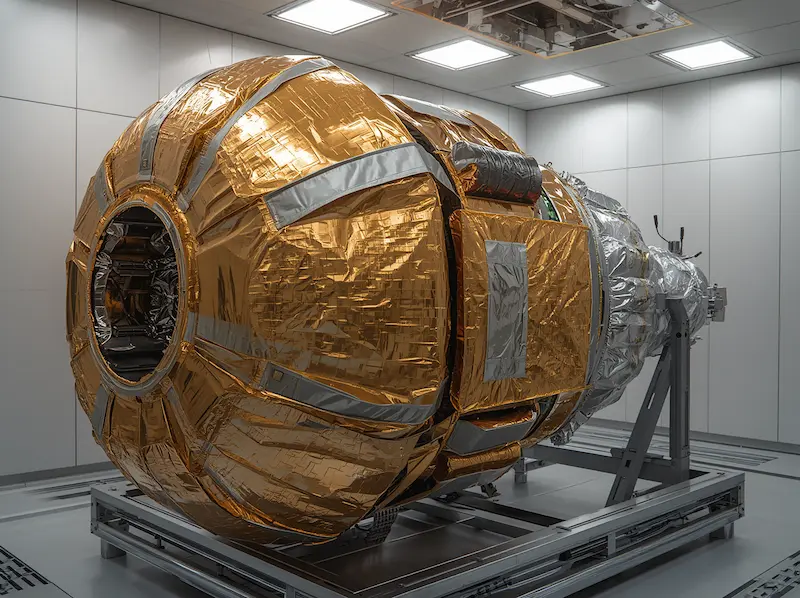
MLI design and development for aerospace programs, creating Multilayer Insulation Blanket solutions around thermal requirements, spacecraft geometry, and operating environments. From concept and CAD through development, the work considers materials, interfaces, manufacturability, and integration.
Designed Around The Mission Not a Standard Template
MLI performance depends on more than layer count. Blanket geometry, material selection, seams, penetrations, attachment points, venting, compression, and surrounding hardware all influence the finished design. That is why development starts with the mission and the actual interface conditions, not a standard blanket template.
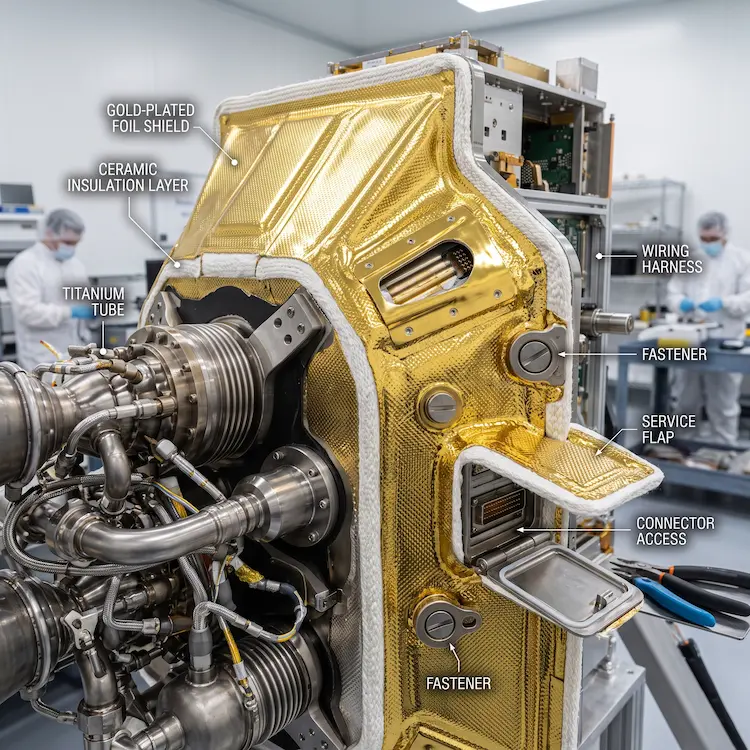
The engineering work connects thermal objectives with the realities of manufacturing and integration. CAD data can drive blanket definition while allowances, closures, fasteners, grounding, and access are considered early. The result is a documented design that supports fabrication and review, with fewer surprises when the blanket reaches fit-check, test, or flight integration.
What The Development Work Covers
The scope can be tailored to new spacecraft, instruments, subsystems, or existing designs requiring refinement. Typical outputs cover MLI architecture, CAD-driven blanket definition, material and layer selection, interface details, and manufacturing requirements to support reliable integration and development.
Translate thermal and environmental inputs into MLI requirements
Define blanket layouts, layer stacks, materials, and interface needs
Develop CAD geometry, patterns, allowances, and manufacturability
Provide documents for reviews, fabrication, fit-checks, and testing
From Enquiry To An Engineering-Ready Definition
Development follows the project’s maturity, from early concept work to a build-ready definition. After enquiry, the team reviews requirements, CAD, interfaces, environments, and schedule, then confirms the right engineering scope before design begins.
Review: requirements, geometry, interfaces, materials, and constraints
Develop: blanket architecture, details, and manufacturable CAD
Refine: resolve interfaces, integration risks, and review comments
Refine: resolve interfaces, integration risks, and review comments
Support: provide outputs for fabrication, fit-check, testing, or further development
MLI Capabilities Built Around Aerospace Program Requirements
MLI for spacecraft structures, components, buses, and mission-critical flight hardware.
Satellites
Custom blanket configurations for satellite buses, payloads, instruments, and subsystem hardware.
Scientific Instruments
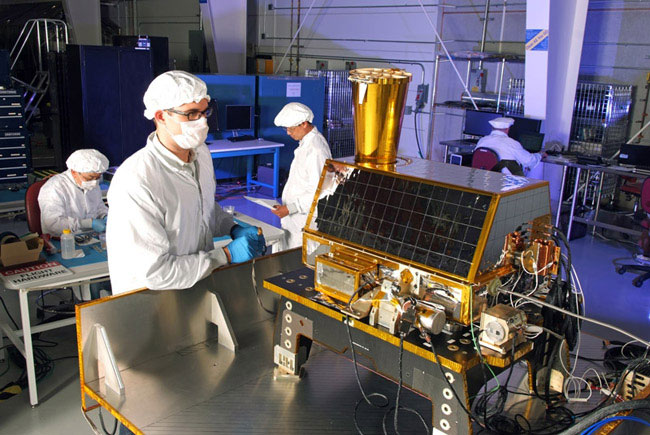
Thermal insulation for sensitive scientific instruments and research payloads operating in controlled thermal environments.
Launch and Propulsion
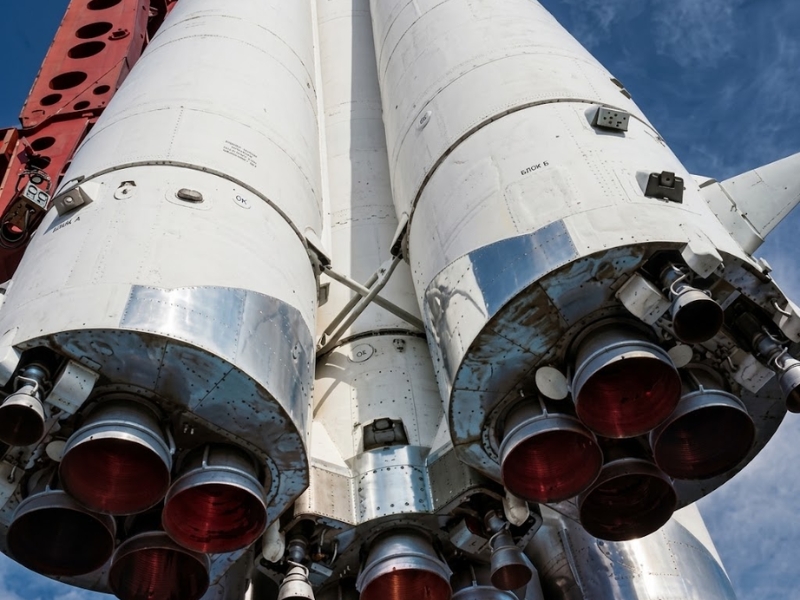
Specialized insulation applications around launch-system and propulsion-related aerospace hardware.
Cryogenic Hardware
MLI for cryogenic tanks, cryostats, and vacuum-insulated systems where radiative heat load must be controlled.
Government Space Programs
Custom MLI engineering support for government, defense, research, and commercial aerospace programs.
Engineering Capabilities
Thermal Definition
Translate mission temperatures, heat-flow needs, and environmental constraints into key MLI inputs.
CAD Blanket Design
Develop blanket geometry, layer stacks, allowances, and details around actual spacecraft interfaces.
Interface Engineering
Account for seams, penetrations, fasteners, venting, grounding, access, and adjacent hardware early.
Build Support
Provide engineering outputs that help teams move from approved design to fit-check and system test.
Frequently Asked Questions
Can MLI be developed from existing spacecraft CAD?
Yes. Existing CAD can provide the basis for blanket geometry, interfaces, clearances, and design definition, subject to the quality and maturity of the source data.
Can the design support specialized or extreme environments?
The MLI architecture can be developed around the required operating environment, including vacuum, cryogenic, high-temperature, and other demanding aerospace conditions.
Does MLI development include material and layer-stack selection?
Yes. Material, layer-stack, interface, and construction decisions can be developed together rather than treated as separate choices.
Can an existing MLI design be reviewed or improved?
Yes. Existing designs can be assessed for thermal, mechanical, integration, manufacturability, or interface-related concerns and refined where needed.
What happens after I make an inquiry?
The initial discussion establishes the application, available requirements and CAD, operating environment, interfaces, and desired project outcome. From there, the appropriate engineering scope and deliverables can be defined before development begins.